


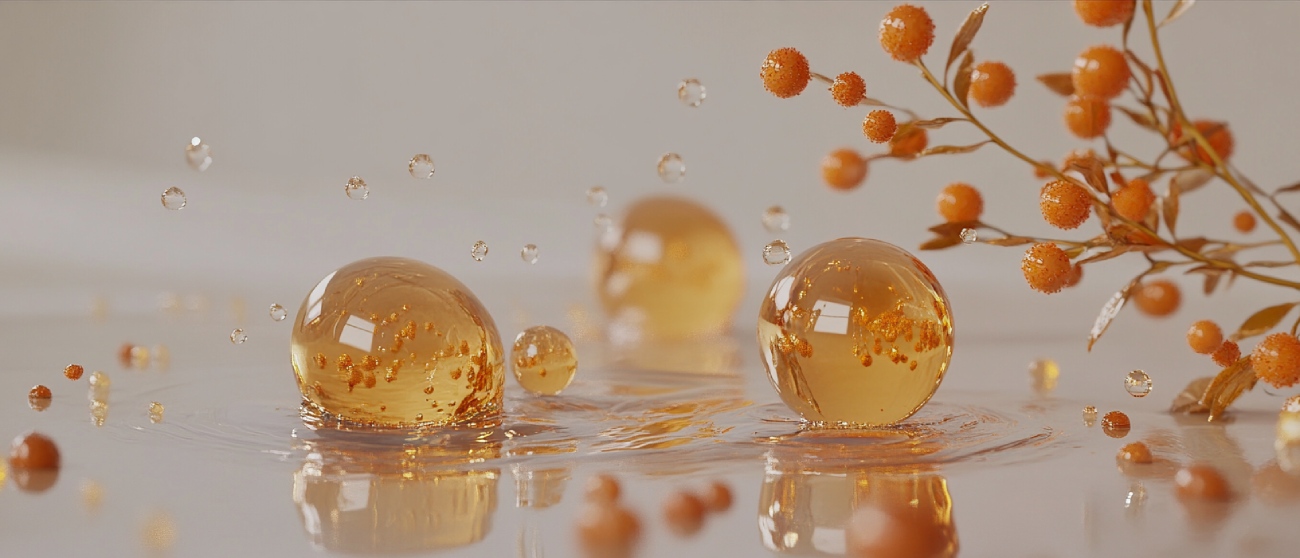
The amazing properties of vitamin E
Did you say vitamin E?
Let's talk small, let's talk big! Vitamin E is a group of eight organic compounds: four tocopherols and four tocotrienols. The most biologically active form, α-tocopherol, is recognized as a powerful antioxidant! A godsend for the beauty of weakened or tired skin!
Researchers first identified it in 1920. Vitamin E soon made a name for itself with its cell-protecting properties, particularly for skin cells. Its action against oxidative stress, a major factor in skin ageing, has been recognized ever since.
Vitamin E doesn’t work alone. It is part of a larger family of antioxidants that protect the skin on a daily basis. Vitamin C, polyphenols, beta-carotene: each acts at a different level within the cell. To better understand the overall role of antioxidants in the skin, a comprehensive overview helps us grasp how these molecules complement one another.
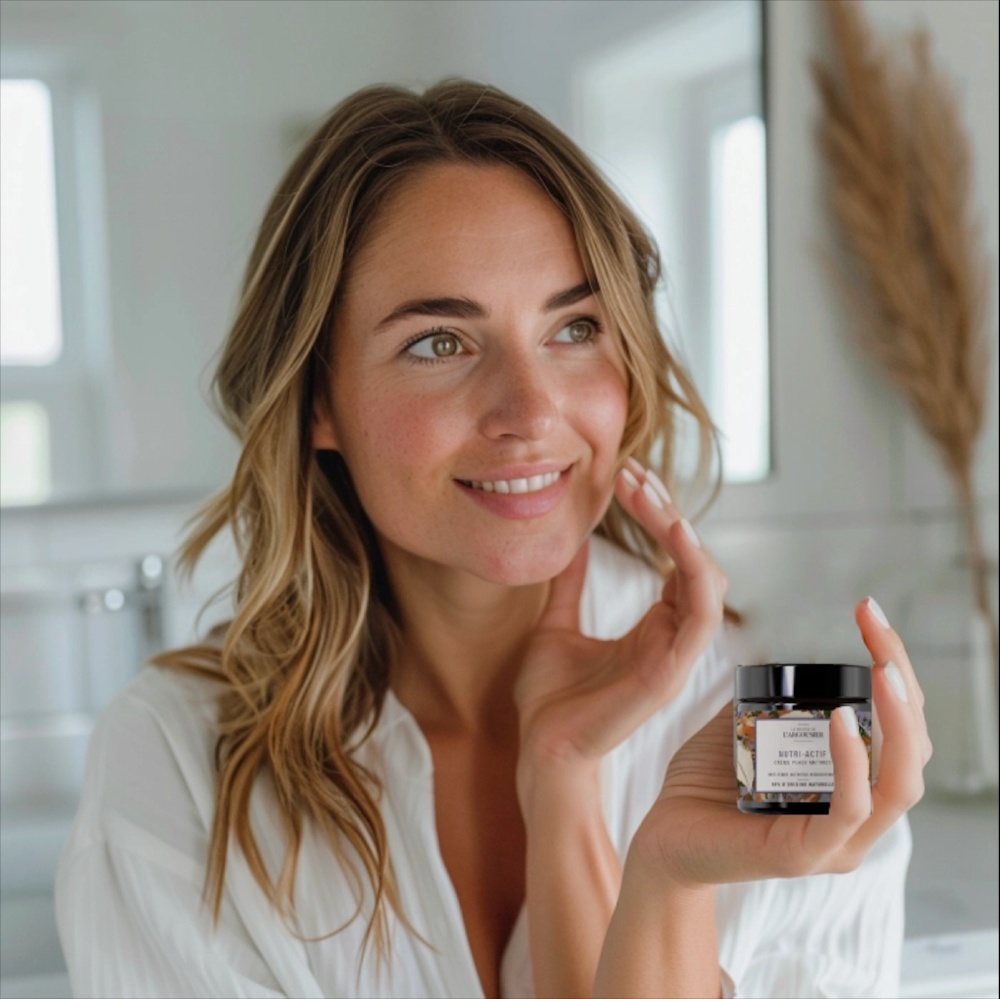
Cosmetics manufacturers quickly recognized the potential of vitamin E-based products. They recreated it in the form of synthetic products that they incorporated into their skin care creams.
Yet NATURAL vitamin E, whether in oil or cream form, is far more effective. However, the cosmetics industry still often chooses the cheaper, synthetic version! At La Maison de l'Argousier, we always prefer to base our skincare formulations on natural active ingredients, which are better assimilated by the body, and a fortiori by skin cells!
Which natural elements are richest in α-tocopherol?
Vegetable oils such as wheat germ, argan oil, sunflower oil, soybean oil, olive oil, rapeseed oil and corn oil are rich in vitamin E. Nuts, seeds (almonds, hazelnuts and sunflower seeds), wholegrain cereals (wheat, corn and barley) and green vegetables (spinach and parsley) are natural sources of vitamin E.
Sea buckthorn, however, has been largely overlooked in the list of vitamin E providers! And yet its magnificent orange berries are naturally 4 times more concentrated in vitamin E than sunflower oil , for example!
This exceptional concentration of vitamin E is just one aspect of this small berry’s nutritional richness. Sea buckthorn also contains vitamin C, omega-7 and omega-3 fatty acids, flavonoids, and beta-carotene—all active compounds that work in synergy. To discover the full scope of its composition, explore the vitamins and antioxidants in sea buckthorn berries: you’ll understand why this fruit is considered one of the most complete that nature has to offer.

What are the signs of vitamin E deficiency?
This is the natural flip side of the coin: while vitamin E is a great ally of the skin, dry, dull and tired skin can, conversely, indicate a vitamin E deficiency.
In the most severe cases, visual acuity may be reduced.
Food supplements can be a solution to these deficiencies, but it's better to consult a doctor in such cases, rather than self-medicating!

The benefits of vitamin E for your skin
Vitamin E as a facial antioxidant
Vitamin E protects your skin cells from oxidative stress and free radicals. If your face is particularly sensitive to oxidative stress, it's because it's exposed to pollution and sunlight on a daily basis. Unfortunately, this oxidative stress accelerates facial aging.
Vitamin E acts like a shield , protecting your skin from external aggressors, notably free radicals. Its antioxidant benefits are unanimously recognized by the scientific community. It has also been shown that its protective antioxidant effects can be enhanced when vitamin E is combined with :
- With beta-carotene, a precursor of vitamin A,
- And vitamin C
These 3 vitamins are abundantly present in the native water and oil of sea buckthorn berries. Together, they enhance the beauty of skin on both face and body. The result is a more radiant complexion and better protected skin!
Vitamin E oil for soft skin
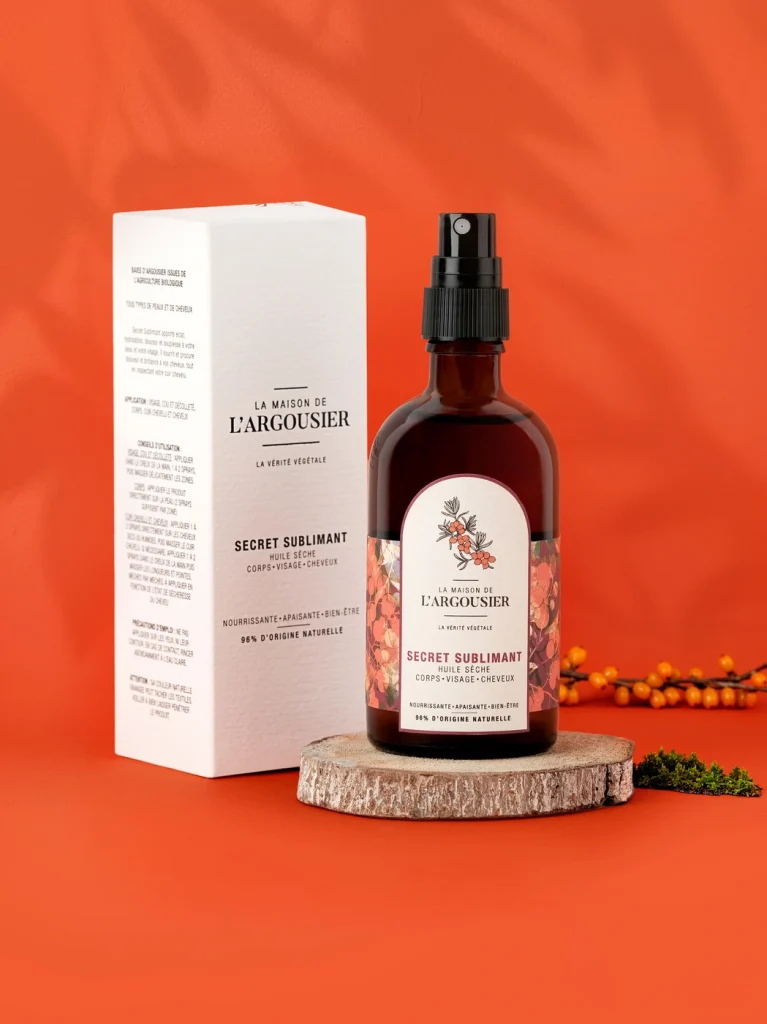
Care products formulated with natural vitamin E, such as sea buckthorn oil, provide deep hydration for the skin. Products rich in vitamin E significantly soften the epidermis by rebalancing the pH of both body and facial skin. Vitamin E strengthens the hydrolipidic barrier and limits insensible water loss, working wonders on dry, sensitive skin.
Vitamin E does not act alone to strengthen this hydrolipid barrier. It works in tandem with specific fatty acids, which are also found in sea buckthorn. Among them, palmitoleic acid, the lipid partner of vitamin E, nourishes cell membranes and supports the regeneration of mucous membranes. This synergy between the antioxidant and omega-7 explains why sea buckthorn oil offers such comprehensive protection for dry and fragile skin.
The anti-aging virtues of vitamin E
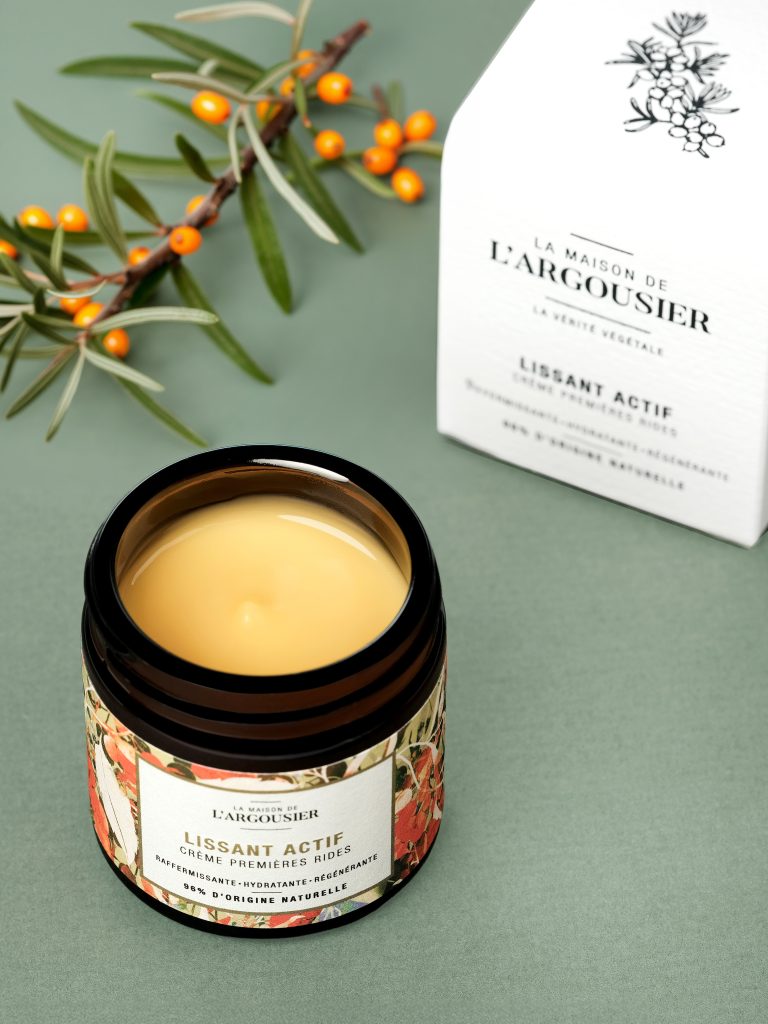
Vitamin E's mission is to slow down skin ageing! It stimulates collagen production to keep skin firm and supple. Skin care products containing natural vitamin E help reduce wrinkles and age spots.
Among the most common expression lines, the vertical crease between the eyebrows is often the first to deepen. Vitamin E, by stimulating collagen and protecting skin fibers, can help naturally reduce frown lines. Combined with a skincare routine rich in antioxidants derived from sea buckthorn, it offers a targeted solution for this particularly stressed area of the face.
Combine this vitamin E with beta-carotenes and vitamin C, and you have an elixir of life for the cells. It's this precise balance that appealed to us in the composition of Sea Buckthorn berry. The same composition that women in the northernmost regions of the world have been using since the dawn of time to coat their bodies and faces!
What are the effects on different skin problems?
Vitamin E appears to have a beneficial effect on reducing acne, psoriasis and eczema. It also promotes healing and reduces skin inflammation on both face and body.
In dermatology, vitamin E-based skin care products are widely recognized for their moisturizing and repairing properties.
Is vitamin E suitable for all skin types?
In fact,the benefits of vitamin E on the epidermis can be seen regardless of skin type. Whether you have dry, oily, combination or sensitive skin, vitamin E remains a precious ally against environmental aggressions on the face and body.
The different forms of vitamin E and their applications
How can you incorporate vitamin E into your skincare routine?
Many skincare products contain vitamin E or tocopherol. However, it is essential to choose a product containing natural vitamin E.
It can be used in a variety of ways at your convenience:
For external face and body care routines:
- Oil, especially sea buckthorn oil
- The cream
For oral face and body care routines for :
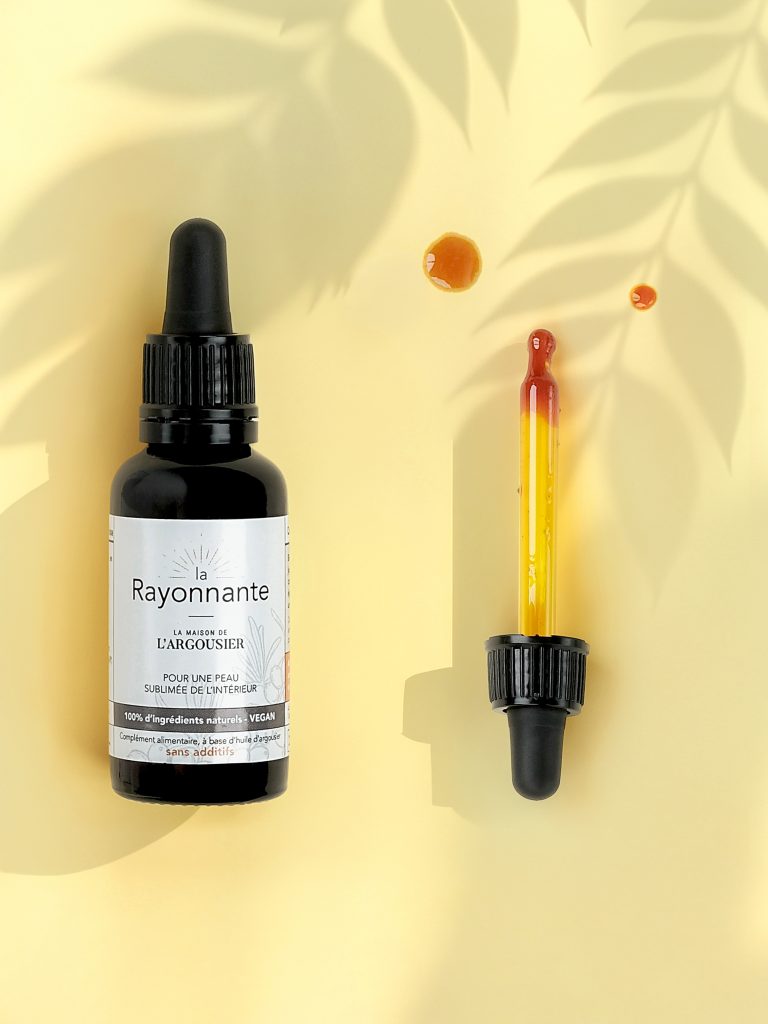
- Nutricosmetics like La Rayonnante de la Maison de l'Argousier
- Food supplements
A few drops of oil or a dab of correctly formulated skin care cream are all it takes to achieve visible results on the skin in just a few weeks. Sea buckthorn and wheat germ oils, natural sources of vitamin E, are better assimilated than the synthetic forms generally offered by the cosmetics industry.
Always test the product on a small area of skin before applying it all over to avoid allergic reactions: even though sea buckthorn doesn’t contain any particularly allergenic ingredients and our skincare products are rated “Excellent” on Yuka, this is still a good habit to get into. It can be especially helpful for products with less carefully formulated ingredients.
Vitamin E for healthy hair
Vitamin E can help repair damaged hair, stimulate growth and prevent dandruff.
The omega-7 fatty acids and vitamin E in sea buckthorn do more than just nourish the hair shaft on the surface. They actively help stimulate the production of keratin— thanks to vitamin E—the structural protein that makes up more than 90% of the hair. By supporting keratin synthesis from within, sea buckthorn helps damaged hair regain strength and elasticity.
What is the nutritional value of vitamin E?
Foods naturally rich in vitamin E
Its abundance in vegetable oils, nuts, seeds, whole grains and green vegetables makes vitamin E an easy nutrient to incorporate into our diet. Sea buckthorn berries are naturally 4 times more concentrated in vitamin E than their cousins, other vegetable oils.
How do I take vitamin E?
There's no ideal time to take vitamin E. It can be incorporated into your diet at any time of day.
The recommended daily dose for an adult is 15 mg of vitamin E. It must be included in your daily diet to meet nutritional requirements and support the body's vital functions. A balanced diet is sufficient to meet this need. Otherwise, supplementation may be advisable.
Even so, we must remain vigilant: at so-called "normal" doses, vitamin E is generally harmless. However, excessive consumption can cause nausea, diarrhea or fatigue. Don't forget to consult your GP before starting any treatment!
FAQ
- Does vitamin E help reduce wrinkles?
Yes, vitamin E stimulates collagen production, which helps keep skin firm and supple, reducing the appearance of wrinkles. - Can vitamin E help treat acne?
Yes, with its anti-inflammatory properties, vitamin E can help reduce the inflammation associated with acne. - Which foods contain vitamin E?
Vegetable oils, nuts, seeds, green vegetables and oily fish are excellent sources of vitamin E, but sea buckthorn oil is 4 times more concentrated in vitamin E than its cousins, the other vegetable oils. - Can vitamin E be used to moisturize the skin?
Yes, vitamin E is an excellent skin moisturizer. It can be used in oil, cream or serum form. - Is vitamin E suitable for all skin types?
Of course! Vitamin E is beneficial for all skin types: dry, oily, combination and sensitive.
Vitamin E is an indispensable asset for overall health and skin care. Prioritize a diet rich in natural sources and adapted skin care to maximize its benefits.


 Free shipping when you buy 2 or more items!