



Why Acne Persists or Develops in Adulthood
Adult acne is not simply a continuation of teenage acne. In 40% of cases, it begins after age 25 in women who had never suffered from it before. According to the French Society of Dermatology, 25% of French people are affected, and studies estimate that 41% to 54% of adult women have skin blemishes. The underlying mechanism remains the same: the sebaceous glands, stimulated by androgen hormones, produce excess sebum. This sebum, which is thicker and rich in pro-inflammatory squalene, clogs the pores. The bacteria Cutibacterium acnes It then proliferates in this environment, triggering an inflammatory cascade. The result? Chronic, recurrent inflammatory lesions (red bumps, pustules) and occlusive lesions (comedones, blackheads). In adult women, these lesions occur primarily on the chin, jawline, and neck. This lower facial location is characteristic and clearly distinguishes it from adolescent acne.
Hormonal factors at the root of acne in women
Hormonal factors play a key role in adult female acne. Breakouts often occur during the premenstrual period, when androgen production peaks. But other factors can also disrupt this delicate balance. Birth control plays a major role. 80% of women who switch from a 3-e or 4e generation to a single pillre or 2e According to data from Prof. Brigitte Dréno, a dermatological oncologist at the University of Nantes, many teenagers develop acne. The progestin implant and progesterone-releasing intrauterine devices also contribute to skin breakouts due to their pro-androgenic effects. Polycystic ovary syndrome is another common cause. Warning signs such as excessive hair growth, irregular periods, or weight gain should prompt a hormonal evaluation. Perimenopause, with its estrogen fluctuations, can also trigger acne-prone skin that was thought to have cleared up.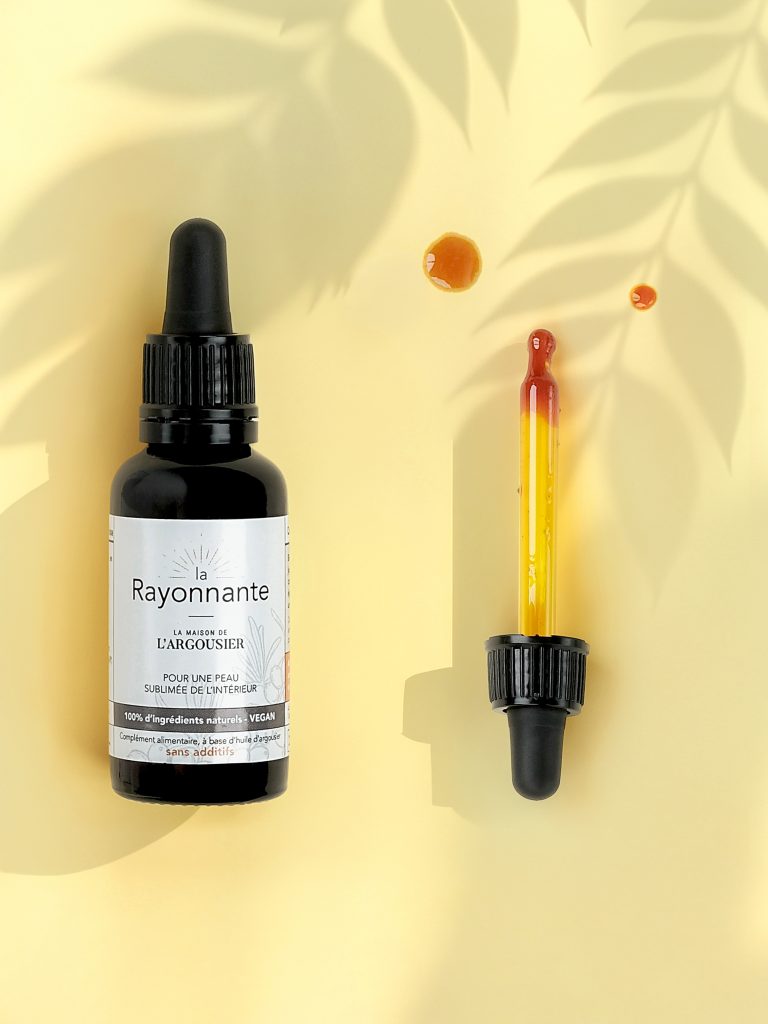
Stress, diet, smoking: aggravating factors you should be aware of
Menstrual cycle, PCOS, progestin-only birth control, perimenopause: each hormonal situation affects the sebaceous glands differently. Identifying the exact mechanism at play allows for tailored treatment, whether medical or natural. To provide clarity, a comprehensive guide helps explain female hormonal acne, its specific triggers, and the solutions that work best for each woman’s individual profile.
This period of hormonal transition warrants special attention. As estrogen levels drop, androgens take over, which stimulates sebum production on the chin and jawline. For women experiencing this, gentle solutions are available: discover natural approaches to treatingmenopause-related acne, including the role of omega-7 and a tailored sebum-regulating routine.
Hormones aren’t the only factor. Stress is a well-documented aggravating factor: it stimulates cortisol production, which in turn increases sebum secretion. The link between stress and adult acne is currently being closely studied and may explain the surge in cases in recent years. A high-glycemic-index diet (refined sugars, white bread, pastries) promotes hyperinsulinemia, which indirectly stimulates the production of androgens and sebum. Dairy products, particularly skim milk, are also suspected. There’s no need to blame anyone: the key remains moderation and listening to your own skin. Finally, smoking significantly worsens the condition. More than 41% of patients who smoke have acne, compared to only 9% of non-smokers. Environmental pollution is also being studied as a contributing factor.Conventional Treatments: Effectiveness and Limitations
Standard treatments for adult acne include topical retinoids, benzoyl peroxide, antibiotics (cyclines), and, in severe cases, isotretinoin. Each comes with side effects that must be carefully considered. Cyclines, prescribed for a maximum of 3 to 4 months, cause digestive issues and phototoxicity. Isotretinoin, the only treatment capable of stopping sebum production by inducing sebocyte apoptosis, requires strict contraception due to its teratogenic risk. Topical retinoids often irritate the skin initially and are strictly contraindicated during pregnancy. In terms of advances, spironolactone (an antiandrogen) has been shown to be superior to doxycycline in moderate acne in adult women, according to the French FASCE study led by Prof. Brigitte Dréno. However, this compound is not approved for this indication and remains reserved for specific cases (mandibular acne with premenstrual flare-ups). Given these limitations, the search for safe and effective natural treatments takes on new significance.Sea buckthorn: a natural sebum-regulating and anti-inflammatory agent
Among the natural ingredients studied for their effectiveness against acne, sea buckthorn (Sea buckthorn) stands out for one remarkable feature: its exceptionally high concentration of omega-7. Palmitoleic acid, the main component of omega-7, is the natural substance most similar to human sebum. As a result, the skin absorbs it easily, and it helps regulate sebum production rather than aggravating it. A study published in the journal Advances in Dermatology and Allergy (Vol. 31, No. 4, 2014) evaluated topical emulsions containing 5% extracts ofSea buckthorn on grade I and II acne. The results, measured by sebum analysis, showed that these formulations were effective, safe, and well-tolerated topical products. Beyond sebum regulation, omega-7s possess powerful anti-inflammatory properties. They can deactivate C-reactive protein, which is responsible for inflammation in the body. For acne-prone skin where inflammation is a predominant factor, this is a valuable asset. Native sea buckthorn berry water provides another key active ingredient: malic acid. This compound cleanses pores, promotes the elimination of bacteria, and reduces skin inflammation. It improves the overall appearance of impure, congested, or acne-prone skin.Natural skincare routine for adult skin prone to breakouts
Adjusting your skincare routine is essential when dealing with adult acne on mature, sensitive skin. The first rule: don’t damage the skin barrier. Harsh products, detergent soaps, and alcohol-based solutions make the problem worse. Gentle cleansing with an acidic pH gel (pH 5), without scrubbing, is the foundation. In the morning, a non-comedogenic moisturizer is essential, even for oily skin. Sunscreen (SPF 30 to 50) remains a must: while the sun may seem to improve the skin temporarily, it causes significant flare-ups and carries a risk of irreversible pigmentation. La Maison de l’Argousier offers a duo designed for blemish-prone skin: the skincare water Secret to Radiance, rich in antibacterial malic acid and vitamin C, should be applied to the face morning and night before moisturizer. Clinical tests (21-day protocol, 22 volunteers, dermatological scoring) show that 100% of participants had smoother, soothed, and purified skin, with a +41% revitalizing effect. To complement this from the inside, La Rayonnante, a 100% natural dietary supplement combining organic sea buckthorn oil, coenzyme Q10, lutein, and vitamin E, supports the health of the skin, mucous membranes, and nails.Zinc, Diet, and the Microbiome: Other Natural Factors
Oral zinc, at a dose of 30 mg per day, is a recognized treatment for moderate acne. While slightly less effective than oral antibiotics, it has the advantage of being non-phototoxic. It is a particularly attractive option in the summer or for women who wish to avoid antibiotics. Azelaic acid (naturally derived from grains) has a moderate effect on all aspects of acne: comedones, inflammation, and bacteria. Well-tolerated, it also helps reduce post-inflammatory hyperpigmentation. Other active ingredients such as niacinamide, bakuchiol, or tea tree oil are often cited, but data on their use specifically for adult acne remains limited. The link between the gut, microbiota, and acne is the subject of growing research. Probiotics may help rebalance the inflammatory response. A diet rich in omega-3s and fiber supports this approach. Sea buckthorn, with nine times more vitamin C than an orange and its antioxidant polyphenols, also contributes to overall skin health from the inside out.How to Tell Acne Apart from Other Facial Conditions
Red bumps and pustules often leave behind persistent inflammatory marks, even after the active lesions have cleared up. This residual redness, which is sometimes mistaken for rosacea, benefits from a targeted approach. To learn more, discover how to naturally treat facial redness using soothing ingredients such as aloe vera, calendula, or omega-rich oils.
After age 35, not all facial skin breakouts are acne. Rosacea causes widespread redness, visible dilated blood vessels, and sometimes pimples, but without comedones or blackheads. Perioral dermatitis presents as small papules around the mouth and nose, often worsened by topical corticosteroids. Adult acne, on the other hand, typically combines inflammatory lesions (red pimples, pustules) and comedones, located on the lower part of the face. If in doubt, a dermatologist’s opinion can help establish the correct diagnosis. Even multiple opinions, if necessary: medicine is an art, not an exact science.Acne and Stopping the Pill: What to Expect
Stopping a combined oral contraceptive pill after 3e or 4e Puberty often triggers an acne flare-up. The body needs to reestablish its own hormonal balance, which generally takes 3 to 6 months, and sometimes up to a year. During this transitional period, a gentle skincare routine and sebum-regulating ingredients like sea buckthorn can support the skin without irritating it. For pregnant or breastfeeding women, options are limited: isotretinoin and topical retinoids are strictly contraindicated. Erythromycin can replace cyclines if an antibiotic is necessary. Topical treatments based on native sea buckthorn water, free of endocrine disruptors and essential oils, offer a suitable alternative during this sensitive period.Your questions about adult acne
What causes acne in adults?
Adult acne results from a combination of factors. Androgen hormones stimulate sebum production, which clogs the pores. The bacteria Cutibacterium acnes then triggers inflammation. In women, birth control, polycystic ovary syndrome, stress, smoking, and a high-glycemic-index diet are common contributing factors.How can you get rid of adult acne naturally?
A gentle skincare routine is essential: pH-balanced cleansing, non-comedogenic moisturizing, and sun protection. The omega-7 fatty acids in sea buckthorn help regulate sebum production and soothe inflammation. Oral zinc (30 mg/day) and azelaic acid effectively complement this approach. A diet low in refined sugars and rich in omega-3s supports the skin from within.What kind of honey is good for acne-prone skin?
Manuka honey, thanks to its well-documented antibacterial properties, is sometimes used as a spot treatment for blemishes. Its effect is modest compared to sebum-regulating ingredients like sea buckthorn omega-7. It can, however, complement a skincare routine by soothing red pimples.Is adult acne linked to stress?
Stress stimulates the production of cortisol, which in turn increases sebum secretion. The link between adult acne and stress is currently being studied and may partly explain the rise in cases in recent years. A holistic approach (physical activity, stress management, diet) helps limit its effect on the skin. La Maison de l’Argousier formulates its skincare products and supplements in France, free of endocrine disruptors, with at least 96% naturally derived ingredients. All are rated “Excellent” on Yuka and clinically tested under dermatological supervision. The information provided is for informational purposes only and does not constitute medical advice. Consult your doctor or pharmacist.Sources and references
- Akhtar N. et al., “Clinical and sebummetric evaluation of topical emulsions in the treatment of acne vulgaris,” Postępy Dermatologii i Alergologii, vol. 31, no. 4, 2014 (study including Hippophae rhamnoides).
- Kumari S., Tiwari S., Singh S., “From Tradition to Technology: Herbal Remedies in Modern Acne Therapy,” 2025. ResearchGate link.
- FASCE Study (Prof. Brigitte Dréno, University of Nantes): Spironolactone vs. Doxycycline in Moderate Acne in Adult Women. SSRN Reference.
- SERP data: ameli.fr (October 2025), VIDAL (January 2024), Bioderma, A-Derma.
- Secret d’Éclat clinical trials: 21-day protocol, 22 volunteers, dermatological scoring (Eurofins).


 Free shipping when you buy 2 or more items!