



Why vaginal dryness affects so many women
One in six women is thought to experience occasional vaginal dryness. This figure rises significantly during perimenopause and menopause. The main reason is a drop in estrogen levels, which leads to thinning of the vaginal walls and a decrease in the body’s natural lubrication. But menopause isn’t the only culprit. Breastfeeding, certain medications (antidepressants, antihistamines), stress, smoking, or an imbalance in the vaginal flora can also cause this discomfort. And let’s be honest: it’s a topic we still don’t talk about enough, even though it directly affects pleasure, daily comfort, and self-confidence. Many women think it’s a fad to worry about it. Not at all: taking care of your intimate health is anything but unnecessary. A medical consultation is still recommended to identify the actual causes. The good news? Natural remedies exist—provided you choose wisely.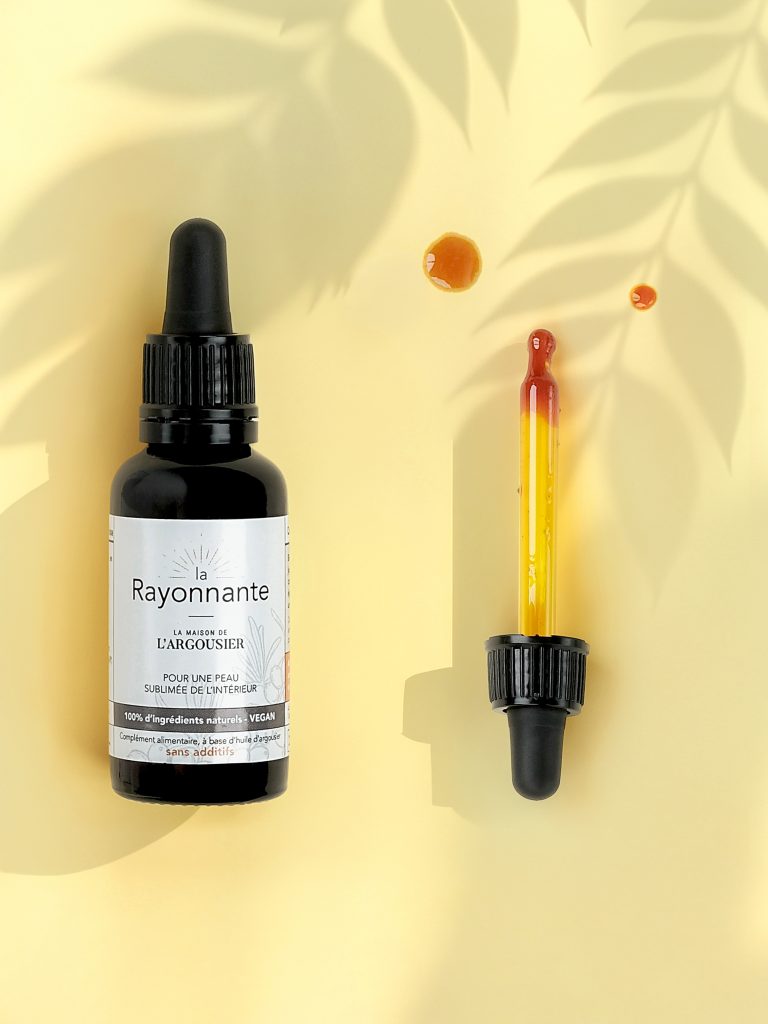
Water-based natural lubricants: the safest choice for sex
Dryness experienced during intercourse is not simply a matter of occasional lack of lubrication. Stress, hormonal birth control, breastfeeding: the triggers vary, and the solution must be tailored to each situation. Understanding the underlying mechanisms helps you choose the right lubricant, but also determine whether a complementary oral treatment might be appropriate.
When looking for a natural lubricant that’s compatible with latex condoms, water-based formulas are the way to go. Unlike oil-based products, they don’t weaken the condom or alter the pH balance of the intimate area. For women who prioritize safety, this is the go-to choice. Two brands stand out on the French market:- My Lubie: a vegan formula made in France, enriched with vitamin E and calendula, free of endocrine disruptors and added glycerin. Rated excellent on Yuka. 4.8 stars based on over 600 reviews. Approximately €15 for 75 ml. Its light, non-sticky texture appeals to women looking for a natural feel.
- Love and Care: a vegan water-based lubricant made in the Netherlands, 100% biodegradable, fragrance-free, and allergen-free. Safe for use with condoms and silicone sex toys. Starting at €6.90 for 25 ml.
Coconut oil, aloe vera, sweet almond: a true comparison
These three products consistently come up in searches for natural lubricants. Each has its own advantages and real limitations.Aloe vera gel: gentle but demanding in terms of quality
Aloe vera gel (Aloe barbadensis leaf juice) has a pH level similar to that of the skin, making it gentle on the vaginal flora. It moisturizes, soothes irritation, and doesn’t leave a sticky feeling. Its light texture makes it a pleasure to apply. Olivia Haquin, a naturopath in Lille, highlights its high content of enzymes, vitamins A and E, and AHAs. Important note: a small amount is enough. If used in excess, the texture can become “stiff.” Choose a gel that is nearly 100% pure, with natural preservatives. And be careful: aloe vera gel weakens latex condoms.Coconut oil: appealing but risky
Coconut oil is lubricating, moisturizing, and has mild antibacterial properties thanks to lauric acid. But Claire Déprez, a naturopath based in Hyères, warns that it can alter the vaginal pH and promote the development of yeast infections. It is incompatible with latex condoms and silicone sex toys. Choose virgin, unrefined coconut oil, and warm it between your hands before use (it solidifies below 20°C).Sweet almond oil: a classic, but not a one-size-fits-all solution
Gentle and soothing, sweet almond oil nourishes the skin thanks to its emollient properties. It can be used for a localized massage two hours before intercourse. However, it is strongly discouraged for people with nut allergies and is incompatible with latex condoms. Its rich texture is better suited for external use than for prolonged intimate use.Summary table
| Natural lubricant | Compatible with latex condoms | Main risk | Ideal for |
|---|---|---|---|
| Water-based lubricant gel | ✅ Yes | Low (check INCI) | Secure connections, everyday use |
| Pure aloe vera gel | ❌ No | Cardboard-like effect if applied in excess | Intimate care outside of protected intercourse |
| Virgin coconut oil | ❌ No | Changes in vaginal pH | External massage, dry skin |
| Sweet almond oil | ❌ No | Nut allergy | Localized massage, sensitive skin |
Ingredients to avoid in so-called "natural" lubricants
An intimate lubricant may say “natural” on the label but still contain undesirable substances. Checking the ingredients isn’t just a whim—it’s a matter of caution. Here are the main ingredients to look for in the INCI list:- Parabens (methylparaben, propylparaben): suspected endocrine disruptors.
- Excess glycerin: promotes yeast growth, risk of fungal infection.
- Synthetic fragrances: irritants to the mucous membranes in the genital area.
- Chlorhexidine: an antiseptic that disrupts the vaginal flora.
- Nonoxynol-9: an irritating spermicide associated with an increased risk of STIs.
What if the real solution came from within? Omega-7 and the mucous membranes
Applying a lubricant treats the symptom. Nourishing the mucous membranes from the inside addresses the cause. This is where sea buckthorn comes into play—and not by chance. Palmitoleic acid, or omega-7, is the characteristic fatty acid found in human sebum. Its production decreases with age. Only four fruits in the world contain it in significant quantities, and sea buckthorn has a concentration at least twenty times higher than other plant sources. According to data compiled by Michel Sabadie, former Vice President of R&D at Shiseido International, sea buckthorn oil is the plant oil whose fatty acid composition most closely resembles that of human sebum. Omega-7 helps hydrate mucous membranes: vaginal, oral, ocular, and digestive. Naturopath Claire Déprez recommends sea buckthorn oil to “regenerate mucous membranes and combat vaginal dryness.” An article in the journal Herbal Medicine (Vernet, 2006) confirms that “folk wisdom and contemporary research have confirmed the benefits of sea buckthorn oil in protecting and regenerating the skin and mucous membranes” (source). Conventional lubricants provide surface relief; omega-7, on the other hand, acts on the very quality of the mucous membrane. In practical terms, this means that, in addition to a topical lubricant, oral omega-7 supplementation could help gradually restore the pleasure of comfortable intimacy. La Maison de l’Argousier has formulated La Rayonnante In line with this approach: organic sea buckthorn oil, coenzyme Q10, lutein, and vitamin E. Four 100% natural ingredients, in a dropper bottle. No softgels, no capsules: a deliberate choice to preserve the bioavailability of the active ingredients. The oil comes from 26 hectares of certified organic plantations, Clara variety (the richest in omega-7), harvested at the optimal time and frozen within two hours.Natural lubricants during pregnancy or breastfeeding: use with caution
Beyond using lubricant on an as-needed basis, some women are looking for a more holistic approach to address vaginal dryness at its root. Diet, probiotics, and oral hydration with omega-7: these traditional remedies for vaginal dryness are gaining popularity, driven by concrete, long-term results. Still, it’s important to distinguish the truly effective solutions from those that are merely folklore.
During pregnancy and breastfeeding, the body undergoes hormonal changes that can exacerbate vaginal dryness. Some natural water-based lubricants, such as My Lubie, are marketed as safe for use during these periods, though they still recommend consulting a healthcare professional. Sweet almond oil should be avoided during pregnancy: continued use could cause the baby to develop an allergy to nuts. Coconut oil remains controversial due to the risk of disrupting the vaginal pH balance. In any case, discuss this with your midwife or gynecologist. Vaginal dryness related to breastfeeding is often temporary and warrants appropriate medical support, with products whose ingredients are of the highest quality.Homemade lubricant: good idea or bad idea?
Making your own personal lubricant at home may seem like a money-saver. In reality, there’s a real risk of infection or irritation if your utensils aren’t thoroughly sanitized or if you don’t follow the measurements correctly. Claire Déprez puts it simply: “Nothing beats a high-quality, ready-to-use oil. " For water-based products, storing them without suitable preservatives leads to rapid bacterial growth. It’s better to invest in a carefully formulated product than to play amateur chemist with your mucous membranes.Tips for maintaining your daily intimate comfort
Beyond choosing a lubricant, a few simple steps can help protect your vaginal flora and ensure your body’s comfort:- Clean the intimate area with plain water. Avoid using shower gel. If you use an intimate wash, make sure it is pH-neutral.
- Include foods rich in omega-3, 6, and 9 fatty acids in your diet: sardines, mackerel, and almonds. This is one of the simplest ways you can support your mucous membranes.
- After having sex, rinse yourself off with water and use the restroom.
- Never use saliva as a lubricant: it dries out the mucous membranes and increases the risk of STIs.
FAQ
Which natural lubricant is the healthiest option for safe sex?
When using latex condoms, only water-based lubricants are safe. Vegetable oils (coconut, sweet almond, olive) make latex porous and increase the risk of breakage. Choose a product with a short ingredient list that is vegan, free of excessive glycerin, and free of fragrances and parabens. Check the INCI list and consult the reviews on Yuka or QuelCosmetic.What kind of oil can be used on the genital area?
Organic virgin coconut oil and sweet almond oil can be applied topically to the intimate area, provided they are not used with latex condoms. Sea buckthorn oil, rich in omega-7, is particularly beneficial when taken orally to hydrate the mucous membranes from the inside. In all cases, choose oils that are cold-pressed, and avoid any refined products.How can I maintain natural lubrication during menopause?
Vaginal dryness associated with menopause results from a drop in estrogen levels, which causes the vaginal walls to thin. A natural, water-based lubricant provides immediate relief during intercourse. For long-term relief, omega-7 supplementation (palmitoleic acid derived from sea buckthorn) can help restore moisture to the mucous membranes over time. Talk to your doctor to tailor the solution to your situation.Is a homemade natural lubricant as safe as a store-bought product?
No. Homemade intimate lubricants pose a real risk of infection or irritation if the utensils aren’t sterilized or the measurements aren’t followed correctly. Water-based formulas without appropriate preservatives spoil quickly. Naturopaths recommend choosing a product formulated by professionals, with a verifiable composition and guaranteed shelf life.Sources and references
- Vernet, A. “Sea Buckthorn (Hippophae rhamnoides L.),” Phytothérapie, vol. 4, pp. 125–129, 2006. Link
- Li, T.S.C. and Beveridge, T.H.J. Production and Utilization of Sea Buckthorn (Hippophae rhamnoides L.), NRC Research Press, 2004. Link
- Internal data from La Maison de l’Argousier: presentation by Michel Sabadie (MS Cosmetics Conseil), press release from La Rayonnante, the sea buckthorn guide.


 Free shipping when you buy 2 or more items!