



Comprendre la lubrification vaginale et son rôle dans le confort sexuel
La lubrification vaginale est un mécanisme naturel orchestré par des glandes situées au niveau du col de l’utérus. Ces glandes produisent un liquide visqueux qui tapisse la paroi du vagin, évacue les cellules mortes et maintient un pH équilibré. Pendant les rapports sexuels, un afflux sanguin vers la zone pelvienne intensifie cette lubrification pour faciliter la pénétration et le plaisir. Quand ce système fonctionne bien, on n’y pense même pas. Quand il se dérègle, tout change : irritations, microlésions, sensations de brûlure, voire petits saignements. La peur de la douleur crée alors un cercle vicieux. Les muscles du plancher pelvien se contractent par anticipation, ce qui aggrave l’inconfort et peut finir par altérer la libido. Vous voyez le tableau ? Heureusement, comprendre les causes permet d’agir efficacement.Les causes de la sécheresse intime pendant les rapports après 35 ans
La sécheresse vaginale pendant les rapports sexuels a rarement une seule explication. Les causes sont souvent multiples et s’additionnent.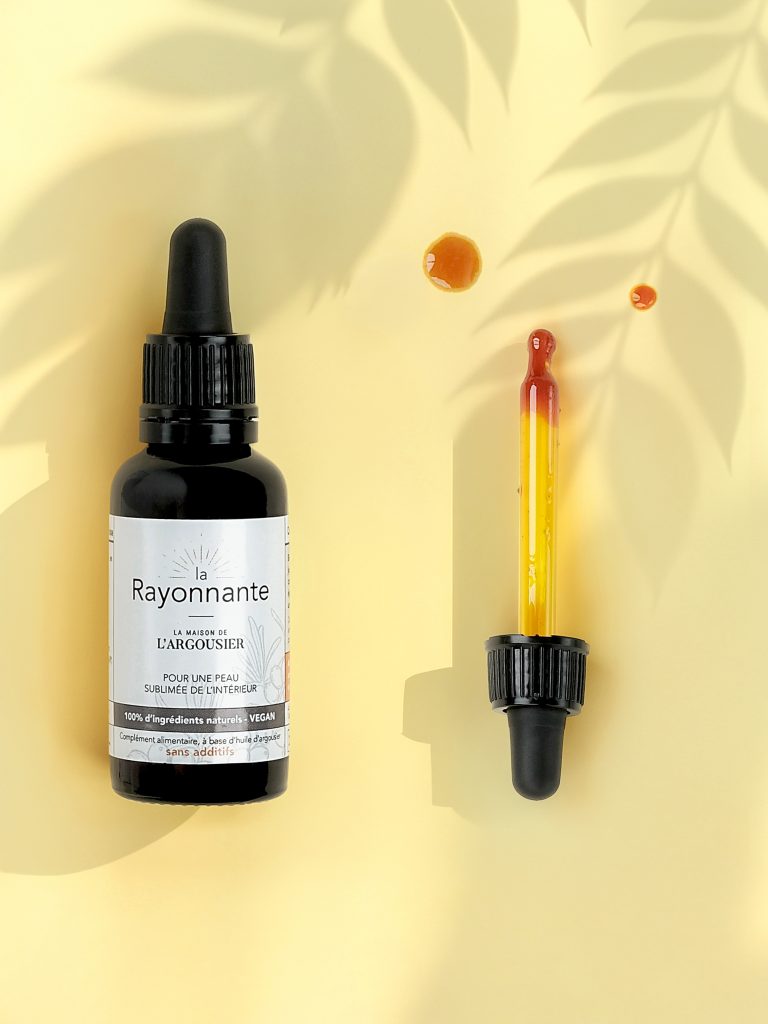
Changements hormonaux : la piste principale
Les œstrogènes sont les gardiens de la santé vaginale. Ces hormones maintiennent l’épaisseur, l’élasticité et la lubrification des tissus du vagin. Lorsque les niveaux d’œstrogènes chutent, les parois vaginales s’amincissent, les cellules produisant le mucus se raréfient et la sécheresse s’installe. La ménopause est la cause hormonale la plus connue, mais elle est loin d’être la seule. La périménopause (parfois dès 35-40 ans), la période post-partum, l’allaitement et même certaines phases du cycle menstruel peuvent provoquer une baisse suffisante d’œstrogènes pour déclencher un inconfort au quotidien. Selon l’Université de Lorraine, les contraceptifs hormonaux (pilule, stérilet hormonal) perturbent également la lubrification naturelle chez certaines femmes.Stress, médicaments et mode de vie
Le stress et l’anxiété provoquent une vasoconstriction : la circulation sanguine vers les organes génitaux diminue, la lubrification du vagin aussi. Ajoutez à cela certains médicaments (antidépresseurs, antihistaminiques, traitements anticancéreux) qui assèchent les muqueuses comme effet secondaire, et vous obtenez un cocktail redoutablement efficace contre le confort lors des rapports. La déshydratation, le tabac (qui affecte directement la production d’œstrogènes, selon la Revue Médicale Suisse), l’alcool ou l’utilisation de savons agressifs pour la toilette aggravent également la situation. Autant de facteurs sur lesquels on peut agir, fort heureusement.Sécheresse vaginale : est-ce forcément hormonal ?
Non, et c’est important de le savoir. On peut souffrir de sécheresse vaginale pendant les rapports sans qu’il s’agisse d’un problème hormonal. Mycoses dues au Candida albicans, allergies à certains produits de toilette, vaginite atrophique ou simple déshydratation : les pistes sont nombreuses. Comment faire la différence entre une sécheresse passagère et une atrophie vaginale nécessitant un suivi médical ? Si l’inconfort dure plus de quelques semaines malgré l’utilisation de lubrifiants, s’il s’accompagne de saignements inexpliqués ou de troubles urinaires à répétition, il est temps de consulter un professionnel de santé. Un examen médical permettra d’identifier la cause précise et de proposer un traitement adapté.Solutions naturelles contre la sécheresse vaginale pendant les rapports
Vous vous demandez comment retrouver confort et lubrification sans passer systématiquement par un traitement hormonal ? Plusieurs approches naturelles ont fait leurs preuves.Préliminaires et communication avec le partenaire
Commençons par l’évidence que l’on oublie trop souvent : prolonger les préliminaires optimise la lubrification vaginale naturelle. Le corps a besoin de temps pour activer l’afflux sanguin vers la zone pelvienne. La communication avec le partenaire est essentielle. Exprimer ses besoins, ses appréhensions, ajuster le rythme : c’est le socle d’une vie sexuelle épanouie, sécheresse ou non.Lubrifiants : lesquels choisir, lesquels éviter ?
Les lubrifiants à base d’eau, sans glycérine, sans parabènes et sans silicones restent les plus respectueux de la flore vaginale. L’huile de coco est souvent citée comme lubrifiant naturel, mais attention : elle est incompatible avec les préservatifs en latex et peut perturber le pH chez certaines femmes. Le gel d’aloe vera pur (sans additifs) peut apaiser localement, mais les preuves scientifiques restent limitées. La vitamine E en capsule, appliquée localement, contribue à hydrater la zone. Quant aux ovules ou gels hydratants vaginaux, ils peuvent préparer la muqueuse avant un rapport. Privilégiez les formulations courtes, sans parfum, à pH physiologique.Habitudes de vie : les gestes qui changent tout
Le choix d’un lubrifiant adapté peut vite devenir un casse-tête face à la multiplication des produits. Compatibilité avec les préservatifs, respect du pH vaginal, composition clean : chaque critère compte. Pour y voir plus clair, consultez notre guide dédié aux solutions de lubrification naturelle, qui détaille les options les plus sûres selon votre situation.
- Boire suffisamment d’eau tout au long de la journée
- Pratiquer une activité physique régulière pour améliorer la circulation pelvienne
- Opter pour un gel nettoyant surgras au pH physiologique, jamais de douches vaginales
- Privilégier les sous-vêtements en coton et éviter les pantalons trop serrés
- Pratiquer les exercices de Kegel pour renforcer les muscles du plancher pelvien
- Gérer le stress par la méditation, le yoga ou toute technique de relaxation
Oméga-7 et argousier : nourrir les muqueuses de l’intérieur
Les solutions topiques agissent en surface. Mais la santé vaginale se joue aussi de l’intérieur. C’est là que les oméga-7, ou acide palmitoléique, entrent en jeu. Cet acide gras rare est un constituant naturel des muqueuses. Il contribue à maintenir leur intégrité, leur souplesse et leur hydratation. Seuls quatre fruits au monde contiennent des oméga-7 en quantité significative, et l’argousier (Hippophae rhamnoides) surpasse tous les autres avec une concentration au moins 20 fois supérieure. L’huile d’argousier apporte également de la vitamine E (4 fois plus que l’huile de tournesol), du bêta-carotène et des oméga-6 et 9, qui contribuent au maintien du film hydrolipidique. Comme le souligne la naturopathe Myriam Lepetit-Brière : « Je recommande très souvent l’argousier aux femmes en périménopause. Il contribue à améliorer le confort des muqueuses, notamment en cas de sécheresse vaginale, qui peut être très inconfortable au quotidien. » Son approche associe la prise d’huile d’argousier en interne à un mode de vie global : alimentation adaptée, gestion du stress, activité physique. Chez La Maison de l’Argousier, cette approche se traduit par La Rayonnante, un nutricosmétique formulé à partir d’huile de baies d’argousier bio, de coenzyme Q10, de lutéine et de vitamine E. Seulement 4 ingrédients, 100 % naturels, en pipette pour une biodisponibilité optimale. L’objectif : accompagner le confort des muqueuses, la santé de la peau, des cheveux et des ongles de l’intérieur.Alimentation et compléments : que privilégier au quotidien ?
Une alimentation riche en acides gras essentiels soutient la santé vaginale. Poissons gras (saumon, maquereau, sardine), huile de lin, noix et graines apportent des oméga-3 et 6 qui favorisent l’équilibre de la muqueuse. Les légumes verts à feuilles, riches en vitamine E et en zinc, complètent le tableau. Côté compléments alimentaires, au-delà des oméga-7, les probiotiques contribuent à l’équilibre de la flore vaginale en favorisant les lactobacilles protecteurs. Les phytoestrogènes (soja, trèfle rouge, lin) peuvent aider certaines femmes à pallier partiellement la baisse d’œstrogènes, même si leur efficacité varie d’une personne à l’autre. Mais pour une action ciblée sur les muqueuses, les oméga-7 de l’argousier restent difficilement remplaçables. La Maison de l’Argousier cultive ses propres champs d’argousier, certifiés Agriculture Biologique depuis 2016, avec une extraction enzymatique sans solvant ni chauffe qui préserve l’intégralité des actifs.Quand consulter un professionnel de santé ?
Les solutions naturelles peuvent apporter un réel confort. Mais certaines situations nécessitent un avis médical. N’hésitez pas à consulter si :- Les douleurs pendant les rapports persistent malgré l’utilisation de lubrifiants
- Des saignements vaginaux inexpliqués apparaissent en dehors des règles
- Des troubles urinaires ou vaginaux reviennent régulièrement
- La sécheresse affecte significativement votre qualité de vie ou votre couple
- Vous suspectez un lien avec un traitement médical en cours
Retrouver une vie sexuelle épanouie malgré la sécheresse vaginale
La sécheresse vaginale pendant les rapports n’est ni honteuse ni irréversible. Les causes sont identifiables : changements hormonaux liés à la ménopause, au post-partum ou à la contraception, stress, médicaments, mode de vie. Les solutions existent, de la plus simple (préliminaires, hydratation, produits de toilette adaptés) à la plus ciblée (compléments alimentaires riches en oméga-7 d’argousier, suivi médical personnalisé). L’essentiel, c’est d’oser en parler, d’agir sur ce qui est à votre portée, et de vous entourer des bons conseils. Votre confort mérite autant d’attention que tout le reste de votre santé. Les informations présentées sont données à titre informatif et ne constituent pas un avis médical. Consultez votre médecin ou pharmacien.FAQ
Sécheresse pendant les rapports, inconfort quotidien, fragilité cutanée : ces manifestations sont souvent liées et méritent une approche globale. Lubrifiants, oméga-7, alimentation, suivi médical, chaque levier a sa place selon votre situation. Pour explorer l’ensemble des pistes et trouver celles qui vous correspondent, retrouvez tous nos soins naturels pour la sécheresse intime, regroupés sur une seule page.
La sécheresse pendant les rapports n’est qu’une facette d’un inconfort souvent plus large. Hydratation des muqueuses au quotidien, soutien nutritionnel, soins locaux adaptés : la prise en charge gagne à dépasser le seul moment du rapport. Pour une vue d’ensemble des approches disponibles, découvrez notre article dédié aux remèdes naturels contre la sécheresse intime, qui détaille les solutions orales et topiques les plus efficaces.
Quel est le meilleur remède naturel contre la sécheresse vaginale ?
Il n’existe pas de remède unique, mais une combinaison d’approches. En externe, un lubrifiant à base d’eau sans additifs apporte un soulagement immédiat. En interne, les oméga-7 issus de l’huile d’argousier contribuent à nourrir les muqueuses durablement. Associez-y une bonne hydratation quotidienne, une alimentation riche en acides gras essentiels et une gestion du stress. Si la sécheresse vaginale persiste, consultez un professionnel de santé pour identifier d’éventuelles causes hormonales ou médicales.Comment augmenter la lubrification féminine naturellement ?
Prolonger les préliminaires reste le levier le plus direct : le corps a besoin de temps pour activer l’afflux sanguin vers la zone pelvienne. Les exercices de Kegel renforcent les muscles du plancher pelvien et améliorent la sensibilité. Côté alimentation, les poissons gras, l’huile de lin et les compléments en oméga-7 d’argousier soutiennent la lubrification vaginale de l’intérieur. Boire suffisamment d’eau et limiter l’alcool sont également essentiels.Comment lubrifier pendant les rapports sexuels ?
Les lubrifiants à base d’eau, sans glycérine ni parabènes, sont les plus respectueux de la flore vaginale et compatibles avec les préservatifs. Appliquez-les généreusement avant et pendant le rapport si nécessaire. Certaines femmes utilisent de l’huile de coco, mais celle-ci est incompatible avec le latex et peut modifier le pH vaginal. Les ovules hydratants vaginaux, utilisés quelques heures avant le rapport, peuvent aussi préparer la muqueuse et améliorer le confort.Sécheresse pendant les rapports et pilule : y a-t-il un lien ?
Oui, un lien existe. Les contraceptifs hormonaux (pilule, stérilet hormonal) peuvent perturber la lubrification naturelle chez certaines femmes en modifiant les niveaux d’œstrogènes. Si vous constatez une sécheresse vaginale depuis le début de votre contraception, parlez-en à votre gynécologue. Un changement de contraceptif ou l’ajout d’un complément alimentaire riche en oméga-7 peut améliorer sensiblement la situation.Sources et références
- Communiqué de presse La Maison de l’Argousier, « Une solution naturelle pour le confort intime : l’huile de baies d’argousier ».
- Myriam Lepetit-Brière, naturopathe, témoignage issu du communiqué de presse La Maison de l’Argousier.
- Larmo P, Alin J, Salminen E. et al., « Effects of sea buckthorn berries on infections and inflammation », European Journal of Clinical Nutrition, 2008; 62: 1123-30.
- Université de Lorraine, « Les effets secondaires de la contraception hormonale » (cité via Saforelle).
- Revue Médicale Suisse, « Cycles de vie d’une femme et tabac » (cité via Saforelle).


 Livraison offerte dès 2 produits achetés !