



Comprendre la ménopause pour mieux la traverser
La ménopause correspond à l’arrêt définitif de l’ovulation, généralement entre 45 et 55 ans. On la considère confirmée après 12 mois consécutifs sans règles. La périménopause, elle, survient 2 à 4 ans plus tôt, souvent vers 47 ans, avec des cycles irréguliers et les premiers signes de la ménopause. Derrière ces symptômes, un mécanisme simple : la chute progressive des œstrogènes et de la progestérone. Ces hormones régulent bien plus que le cycle menstruel. Elles influencent le sommeil, la température corporelle, l’hydratation des muqueuses, la densité osseuse et même l’humeur. Quand leur production s’effondre, le corps cherche un nouvel équilibre. D’où les bouffées de chaleur (7 concernées sur 10), les troubles du sommeil, la sécheresse vaginale, les variations pondérales ou l’irritabilité. Selon le Vidal, 87 % des 50-65 ans sont affectées par au moins un symptôme. Pour un quart d’entre elles, ces troubles altèrent significativement la qualité de vie. Autant dire que la ménopause n’est pas un détail.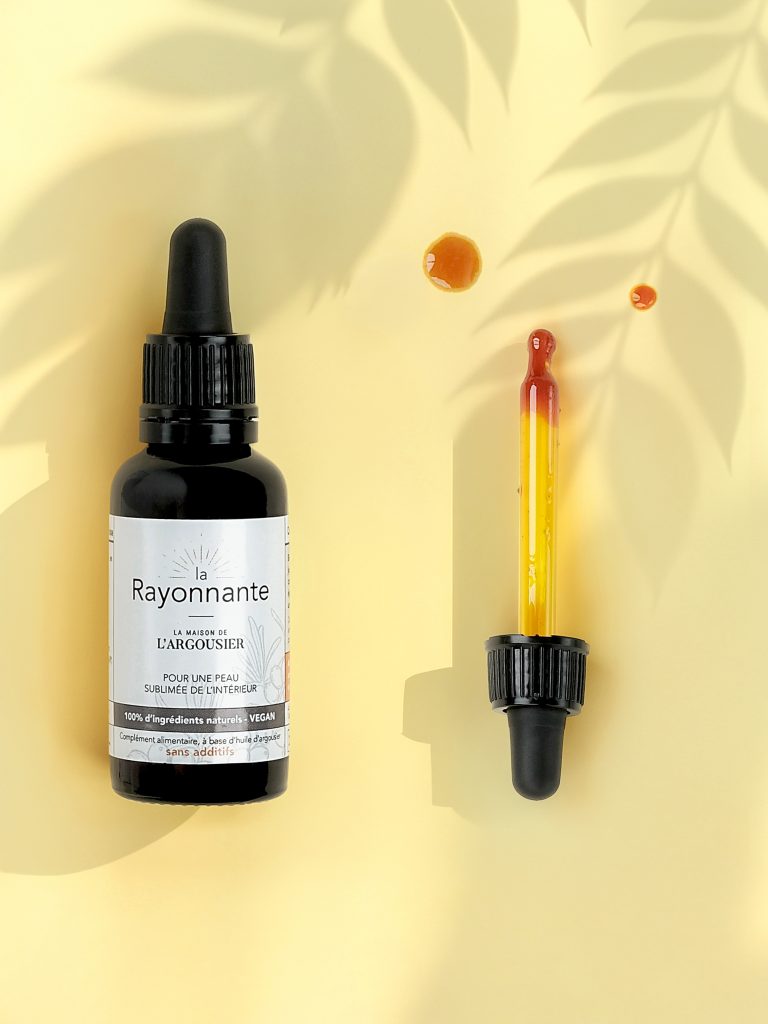
Alimentation : le premier levier face aux troubles de la ménopause
Alimentation, plantes, compléments alimentaires, activité physique : les leviers naturels existent et méritent d’être explorés avec méthode. Ce guide passe en revue chacun d’entre eux pour vous aider à construire votre propre stratégie. Pour retrouver l’ensemble des ressources et produits dédiés, consultez notre page consacrée aux solutions naturelles pour la ménopause à base d’argousier.
Parmi ces troubles, la sécheresse vaginale est l’un des plus fréquents et des plus gênants au quotidien. Elle touche jusqu’à 80 % des femmes au cours de leur vie, avec un pic marqué après la ménopause. Des solutions naturelles existent pour traiter la sécheresse intime liée à la ménopause, notamment grâce aux oméga-7 issus de l’argousier qui nourrissent les muqueuses de l’intérieur.
Avant de chercher la plante salvatrice, un premier socle s’impose : ce que vous mettez dans votre assiette. Le contenu de vos repas constitue la base de toute approche face aux troubles de la ménopause.Les aliments à privilégier en période de ménopause
- Oméga-3 : poissons gras (saumon, sardines), noix et graines de lin. Ils protègent le cœur, réduisent l’inflammation et contribuent à stabiliser l’humeur.
- Calcium et vitamine D : produits laitiers, légumes verts, poissons gras. Essentiels pour prévenir l’ostéoporose, un risque accru après la ménopause.
- Phytoestrogènes : soja, tofu, lentilles, graines de lin. Le tofu, par exemple, réduit la fréquence et l’intensité des bouffées de chaleur chez la personne ménopausée.
- Protéines : au moins 1 g par kilo de masse corporelle par jour pour maintenir la musculature et le métabolisme.
- Fibres : fruits, légumes, céréales complètes pour réguler la glycémie et soutenir le bien-être cardiovasculaire.
Ce qu’il vaut mieux limiter
Alcool, caféine excessive, sucres rapides, graisses saturées et aliments ultra-transformés aggravent les symptômes. L’alcool favorise les coups de chaud. La caféine perturbe le sommeil. Les sucres rapides alimentent les variations pondérales. Pas de diabolisation ici : la clé reste la modération.Activité physique et habitudes de vie : des effets concrets
La littérature scientifique est formelle : 30 minutes d’activité physique quotidienne, 5 jours par semaine, réduisent significativement les facteurs de risque cardiovasculaire, la perte osseuse et l’accumulation de graisse abdominale. Marche active, natation, yoga, Pilates : choisissez ce qui vous fait plaisir. L’idéal ? Combiner endurance et renforcement musculaire. Côté sommeil, maintenez la chambre sous 20 °C, portez des vêtements légers, coupez les écrans une heure avant le coucher. Ces habitudes de vie ne sont pas accessoires. Elles constituent un véritable accompagnement reconnu par le Service Public d’Information en Santé (Santé.fr). Pour le stress et l’irritabilité, la méditation, la sophrologie ou la respiration profonde apportent un soulagement mesurable. L’acupuncture, elle, est reconnue pour atténuer les bouffées de chaleur et les troubles de l’humeur associés à la ménopause.Plantes médicinales : lesquelles fonctionnent vraiment ?
Ces ajustements du quotidien forment un ensemble cohérent. Activité physique, sommeil, gestion du stress : chaque levier renforce les autres. Pour aller plus loin dans cette approche globale, découvrez comment bien vivre sa ménopause au quotidien en combinant les cinq piliers qui font vraiment la différence.
Les plantes médicinales attirent beaucoup de personnes en quête de solutions douces. Mais toutes ne se valent pas. Voici un état des lieux honnête.L’actée à grappes noires : l’efficacité cliniquement documentée
L’actée à grappes noires (Cimicifuga racemosa) est la plante la mieux documentée. L’OMS considère son usage comme « cliniquement prouvé dans le soulagement des bouffées de chaleur, transpiration excessive, troubles du sommeil et irritabilité ». Les études récentes suggèrent un mécanisme d’action plutôt psychologique qu’hormonal. Ses effets les plus récents sont jugés prometteurs, notamment en association avec le millepertuis (Uebelhack R. et al.).Les autres plantes en bref
- Sauge officinale : traditionnellement utilisée contre la transpiration excessive et les sueurs nocturnes. Son efficacité repose surtout sur l’usage traditionnel (source : Vidal).
- Trèfle rouge (Trifolium pratense) : contient des lignanes, une famille de phytoestrogènes. Peut contribuer à l’équilibre hormonal.
- Graines de lin : riches en lignanes et oméga-3. Deux études cliniques (États-Unis et Québec) montrent des résultats contradictoires sur les bouffées de chaleur. À intégrer dans les repas plutôt qu’en dose massive.
- Maca : plante adaptogène parfois conseillée pour la libido et la vitalité. Les données cliniques restent limitées.
- Gattilier : efficace sur le syndrome prémenstruel, mais les études sur les manifestations de la ménopause ne permettent pas de conclure. Contre-indiqué en cas d’antécédent de cancer du sein ou de traitement hormonal.
Isoflavones et phytoestrogènes : prudence éclairée
De nombreux compléments alimentaires contre la ménopause contiennent des isoflavones (soja, trèfle rouge, houblon). Ces phytoestrogènes imitent partiellement l’action des hormones féminines. Résultat ? Selon le Vidal, ils ne soulageraient que 30 % des concernées, contre 70 % pour le traitement hormonal substitutif. L’Anses recommande de ne pas dépasser 1 mg par kilo de masse corporelle et par jour. Et depuis 2012, les autorités sanitaires européennes interdisent aux compléments contenant des isoflavones de prétendre soulager les troubles de la ménopause. Par mesure de précaution, la prise d’isoflavones est déconseillée en cas d’antécédents de cancer hormono-dépendant. Ne cumulez pas plusieurs sources de phytoestrogènes sans avis médical.L’argousier : l’atout oméga-7 pour les muqueuses et l’équilibre hormonal
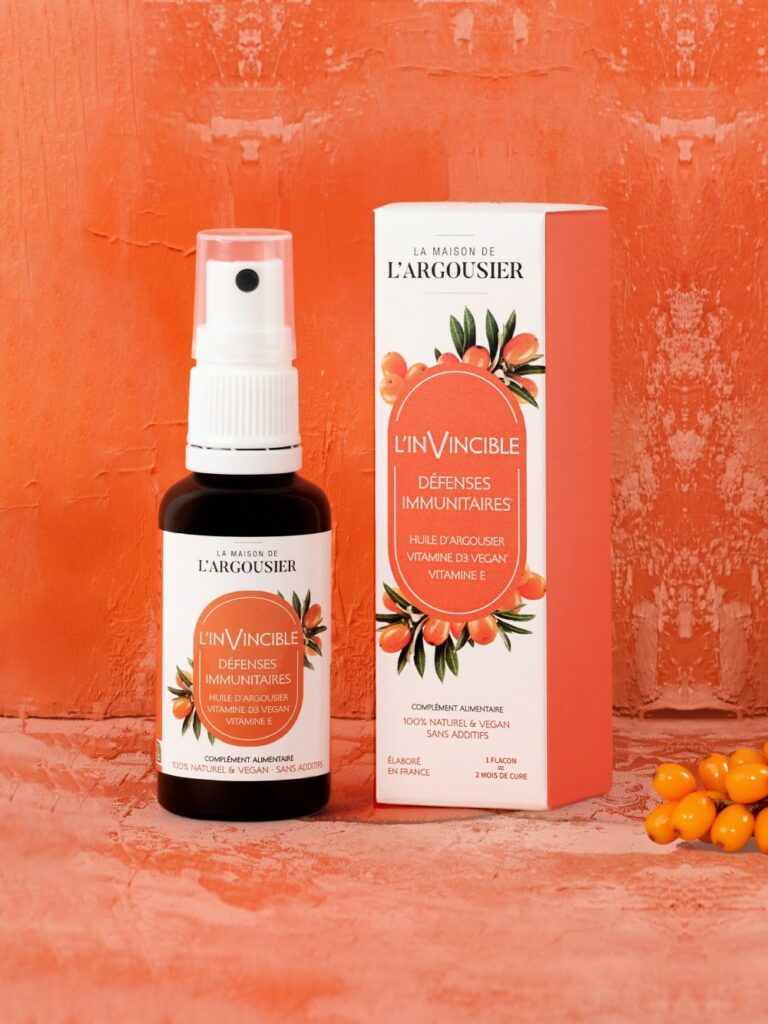
Parmi les approches naturelles, l’argousier (Hippophae rhamnoides) mérite une attention particulière. Cette baie est la source végétale la plus concentrée en oméga-7 au monde : seuls 4 fruits en contiennent, et l’argousier affiche une concentration au moins 20 fois supérieure aux autres. Pourquoi c’est pertinent en période de ménopause ? Les oméga-7 agissent spécifiquement sur les muqueuses : vaginales, digestives, oculaires, respiratoires. Ils contribuent à soulager la sécheresse intime, les coups de chaleur et à soutenir la gestion pondérale. Comme le souligne A. Vernet dans Phytothérapie (Springer, 2006), l’huile d’argousier présente un intérêt confirmé pour la protection et la régénération de la peau et des muqueuses. Certains composés de l’argousier peuvent avoir un effet bénéfique sur l’équilibre hormonal, notamment en régulant les niveaux d’œstrogènes. La naturopathe Myriam Lepetit-Brière recommande La Rayonnante de la Maison de l’Argousier aux personnes en périménopause : « Elle contribue à améliorer la fermeté de la peau, mais aussi le confort des muqueuses, notamment en cas de sécheresse vaginale. » La Rayonnante associe huile d’argousier bio, coenzyme Q10, lutéine et vitamine E. Quatre ingrédients, 100 % naturels, Clean Label. Pour renforcer l’immunité et combattre la fatigue, L’Invincible de la Maison de l’Argousier complète l’approche : 96 % d’huile d’argousier, vitamine D3 naturelle et vitamine E. Trois ingrédients, pas un de plus.Compléments alimentaires pour la ménopause : comment s’y retrouver ?
La baisse des œstrogènes ne se limite pas aux muqueuses internes. La peau subit elle aussi des transformations profondes : perte de collagène, déshydratation, apparition de rides et de taches pigmentaires. Pour comprendre les effets de la ménopause sur la peau et adopter les bons réflexes, certains actifs naturels comme les oméga-7, la vitamine C et la vitamine E se révèlent particulièrement utiles.
La chute des œstrogènes ne touche pas que les muqueuses internes. La peau perd en élasticité, s’assèche et se fragilise à mesure que la production de sébum diminue. Pour nourrir et protéger l’épiderme au quotidien, les huiles végétales adaptées aux peaux matures offrent une réponse simple et efficace. L’huile d’argousier, d’argan ou de rose musquée apportent des acides gras proches de ceux que la peau ne fabrique plus assez.
Les fluctuations hormonales de la périménopause ne se limitent pas à la sécheresse ou aux rides. Chez certaines femmes, le déséquilibre entre œstrogènes et androgènes relance une production excessive de sébum. Résultat : des boutons inflammatoires sur le menton et la mâchoire, parfois pour la première fois depuis l’adolescence. Ce phénomène porte un nom précis : l’acné hormonale chez la femme adulte. Des solutions existent, du soin topique à l’alimentation anti-inflammatoire.
Le rayon des compléments alimentaires pour la ménopause déborde de promesses. Voici quelques repères pour faire le tri :- Magnésium : réduit la fatigue, les tensions musculaires et l’irritabilité. Préférez les formes bisglycinate ou citrate, mieux absorbées.
- Vitamine D3 : indispensable pour l’absorption du calcium et la solidité osseuse. Beaucoup sont carencées après 50 ans.
- Oméga-3 : protecteurs cardiovasculaires et anti-inflammatoires. Ils améliorent aussi l’humeur.
- Mélatonine : pour les troubles du sommeil, elle aide à réguler le cycle circadien sans créer de dépendance.
Traitement hormonal substitutif : quand les solutions douces ne suffisent pas
Le dispositif hormonal (THM) reste réservé aux personnes dont les troubles altèrent sévèrement la qualité de vie, ou à risque élevé de fractures par ostéoporose. La Haute Autorité de santé préconise des doses minimales pour une durée limitée. Son rapport bénéfice/risque doit être réévalué régulièrement avec votre médecin. L’essentiel ? Chaque parcours est différent. Une approche douce bien construite peut suffire pour beaucoup. Pour d’autres, un accompagnement médical complémentaire sera nécessaire. Entre nous, on se soutient, et on ne culpabilise personne.FAQ
Quel est le meilleur traitement naturel pour la ménopause ?
Il n’existe pas de solution unique. L’approche la plus efficace combine amélioration des habitudes de vie (alimentation, activité physique, gestion du stress), plantes médicinales ciblées (actée à grappes noires, sauge) et compléments alimentaires adaptés comme l’huile d’argousier riche en oméga-7 pour le confort des muqueuses. L’essentiel est de consulter un professionnel de santé pour personnaliser votre stratégie.Quel aliment supprimer à la ménopause ?
Plutôt que de supprimer, mieux vaut limiter : alcool (aggrave les bouffées de chaleur et le risque cardiovasculaire), caféine excessive (perturbe le sommeil), sucres rapides (favorisent les variations pondérales) et aliments ultra-transformés (riches en sel, additifs et perturbateurs métaboliques). Privilégiez des repas riches en oméga-3, calcium, phytoestrogènes et fibres.Quel fruit est bon pour la ménopause ?
Les baies d’argousier figurent parmi les fruits les plus intéressants : 9 fois plus de vitamine C qu’une orange, 10 fois plus de bêta-carotène qu’une carotte, et surtout une richesse exceptionnelle en oméga-7 bénéfiques pour les muqueuses. Les myrtilles, le cassis, les pommes et les agrumes apportent également des flavonoïdes protecteurs et antioxydants.Les traitements naturels sont-ils compatibles avec un antécédent de cancer hormono-dépendant ?
Certains ne le sont pas. Les isoflavones (soja, trèfle rouge), le gattilier et la DHEA sont déconseillés en cas d’antécédent de cancer du sein ou gynécologique. En revanche, des approches sans activité œstrogénique (alimentation, activité physique, argousier, magnésium, mélatonine) peuvent être envisagées. Parlez-en systématiquement à votre oncologue ou gynécologue. Sources et références- Vernet A., « L’argousier (Hippophae rhamnoides L.) », Phytothérapie, vol. 4, p. 125-129, Springer, 2006. Lien
- Service Public d’Information en Santé (SPIS), « Existe-t-il des traitements naturels contre les troubles de la ménopause ? », publié le 27/09/2024. Lien
- VIDAL, « La phytothérapie dans le traitement de la ménopause », septembre 2023. Lien


 Livraison offerte dès 2 produits achetés !